
Safeguarding All
Safeguarding is everyone's responsibility. At Phoenix St. Peter Academy we uphold our responsibility to the safeguarding of our pupils and community as the first priority in our school.
Please find more information on specific safeguarding subjects for children and supporting adults in need, on the menu to the right.
Should you have Safeguarding concerns regarding any pupil at our school, please speak to one of the Designated Safeguarding Leads below, or email:
safeguarding@phoenixstpeteracademy.org
- Mr. Matthew Jordan is Designated Safeguarding Lead at Phoenix St. Peter Academy and can be contacted by email at: head@phoenixstpeteracademy.org
- Mrs. Hayley Morgan is a Deputy Designated Safeguarding Lead at Phoenix St. Peter Academy and can be contacted by email at: Hayley.morgan@phoenixstpeteracademy.org
- Miss. Sarah Harvey is a Deputy Designated Safeguarding Lead at Phoenix St. Peter Academy and can be contacted by email at: sarah.harvey@phoenixstpeteracademy.org
- Mrs. Terri Freeman, Deputy Head is a Designated Safeguarding Lead at Phoenix St. Peter Academy and can be contacted by email at: terri.freeman@phoenixstpeteracademy.org
-
Alternatively, you may contact our Trust's Safeguarding Officers:
- Gemma Clark, Deputy Director of Education, Reach 2 (North)
Email: gemma.clark@reach2.org - Sally Esom, Regional Safeguarding and Family Liaison Lead
Email: sally.esom@reach2.org
If you have concerns that a child is at immediate risk please contact the Police on 999.
Click the drop down accordian below for our Safeguarding Policy, or the Safeguarding Policy document link at the bottom of the page.
Safeguarding & Child Protection Policy 2026/2027
Phoenix St. Peter Academy
Safeguarding and
Child Protection Policy
2026-2027
|
Audience: |
Parents REAch2 staff Local Governing Bodies Trustees Local Authorities |
|
Ratified: |
REAch2 Trust Board July 2026 |
|
Other related policies: |
Allergy safety Attendance Behaviour Code of Conduct Data Retention Disciplinary Health and Safety Medical Conditions and Administration of Medicines Missing Pupils Mobile Phone Online Safety Recruitment Relationships, Health and Sex Education. Safeguarding and Child Protection (Shared Service Staff) Speak Up & Whistleblowing |
|
Policy owner: |
Helen Beattie, Head of Safeguarding Localised to our school by Matthew Jordan, Headteacher |
|
Review: |
Annually |
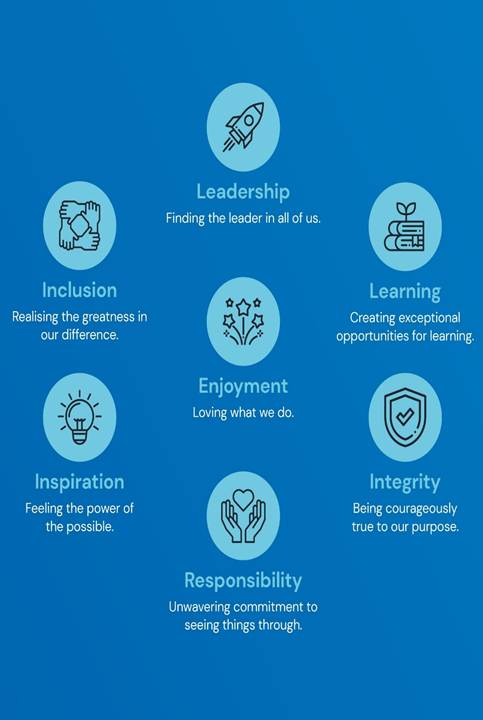
At REAch2, our actions and our intentions as school leaders
are guided by our Touchstones:
Policy Overview
Overarching Principles:
We recognise that adults who work in our academy are in a unique position in their care of children. The responsibility for all staff to safeguard pupils and promote their welfare, as stated in Section 175 of the Education Act (2002), is one that is central to our ethos, our policies, and our actions.
All children are deserving of the highest levels of care and safeguarding, regardless of their individual characteristics or circumstances, and we are committed to applying this policy to ensure effective levels of safeguarding and care are afforded to all of our pupils. It is essential that all actions are taken first and foremost in the best interest of our pupils.
This policy sets out guidance and procedures that our academy will follow to ensure appropriate action is taken in a timely manner to safeguard and promote the welfare of our pupils. Its contents are intended to be in accordance with all relevant Government guidelines and legislation, as well as the inter-agency procedures provided by Suffolk County Council safeguarding partners.
Intended Impact:
- To enable all pupils to feel safe and cared for whilst at our academy, and to ensure that they have a safe place and safe people to whom they can turn.
- To enable all adults involved with our academy to be fully equipped to fulfil their responsibilities in effectively promoting the safeguarding and welfare of all of our pupils.
Roles and Responsibilities:
- Pupils will: adhere to academy rules regarding conduct and safe behaviour; report anything that worries them to a trusted adult.
- Parents/carers will: work collaboratively with academy staff to promote the safety of their children and of other pupils; support our academy to teach pupils about keeping safe by reinforcing key safety messages; report any safeguarding concerns regarding their own children or another pupil to the academy.
- The academy will: ensure that all pupils have a safe learning environment and are taught about how to keep safe; train and support all adults involved with our academy to appropriately identify and respond to any pupil at risk of harm; work collaboratively with parents and professional agencies to safeguard our pupils.
- Governors will: ensure this policy is applied robustly throughout the academy; review it regularly (annually at a minimum) to ensure the effectiveness and rigour of safeguarding practice at our academy.
- REAch2 central staff will: know, understand and follow the safeguarding procedures for each academy within which they work; undertake relevant regular training and updates to ensure their skills and knowledge support them to meet their safeguarding responsibility.
- REAch2 safeguarding team members will: advise and challenge academies and their staff to support them in deploying best practice to meet their statutory safeguarding responsibilities.
How this relates to national guidance and statutory requirements:
Statutory safeguarding and child protection practice for schools and academies is outlined in the following legislation and documents, with which this policy intends to be in accordance:
- Legal: Section 175, Education Act (2002); Section 26, Counter Terrorism and Security Act (2015); Human Rights Act (1998); Equality Act (2010)
- Government: Working Together to Safeguard Children (2026); What to do if you’re worried a child is being abused (2015); Keeping children safe in education (2026); Prevent duty guidance (2024); Children missing education (2025); The designated teacher for looked after and previously looked after children (2018); Information Sharing, Advice for practitioners providing safeguarding services (2024); Teaching online safety in schools (2023); Relationships education, relationships and sex education, and health education (2026); Early Years Foundation Stage Statutory Framework for group and school based providers (2025); Restrictive interventions, including use of reasonable force, in schools (2026); Meeting digital and technology standards in schools and colleges (2026).
- Ofsted: Education inspection framework (2025)
Definitions:
Safeguarding and promoting the welfare of children is defined in Keeping Children Safe in Education (2026) as: ‘providing help and support to meet the needs of children as soon as problems emerge; protecting children from maltreatment, whether that is within or outside the home, including online; preventing impairment of children’s mental and physical health or development; ensuring that children grow up in circumstances consistent with the provision of safe and effective care; taking action to enable all children to have the best outcomes.’
The role and responsibilities of the Designated Safeguarding Lead:
- We will appoint a senior member of staff from our academy’s leadership team to act as our Designated Safeguarding Lead (DSL) This person will coordinate all safeguarding and child protection procedures at our academy, including those related to online safety, filtering and monitoring, and will take lead responsibility for this area, which will be specified in their job description. It is the policy of REAch2 Academy Trust that the role of Designated Safeguarding Lead will not be undertaken by the academy’s Headteacher, unless in exceptional circumstances as agreed with the Executives, or for a short term period only, i.e. to cover absence.
- We will also appoint one or more Deputy Designated Safeguarding Leads, who will be trained to the same level as the Lead, will have their Deputy DSL role included in their job description, and to whom activities may be delegated. For the purposes of this policy, reference to ‘the Deputy’ can mean anyone in our academy who is appointed to the Deputy DSL role.
- During school hours, the Designated Safeguarding Lead or their Deputy will be available to discuss any safeguarding concerns, either in person or, in exceptional circumstances, via phone or other modes of communication. The Designated Safeguarding Lead will make appropriate cover arrangements for any requirements or activities taking place out of school hours and during school holidays. In the event that the Designated Safeguarding Lead is absent, the Headteacher will arrange for suitable cover from the Deputy Designated Safeguarding Lead(s) to ensure that safeguarding concerns are received, monitored, and acted upon without delay.
- The Designated Safeguarding Lead and their Deputy will undergo suitable training, including related to specific areas such as online safety and Prevent, to equip them with the skills and knowledge required to undertake their role, which will be updated at a minimum every two years. In addition, their skills and knowledge will be refreshed at regular intervals, annually at a minimum.
- The Designated Safeguarding Lead and their Deputy will ensure that all staff know and understand the safeguarding and child protection procedures at our academy, as well as knowing, and working effectively with, the local inter-agency procedures for assessment of needs under community-based early help or targeted early help services delivered through Family Help and for referrals of suspected cases of abuse.
- The Designated Safeguarding Lead and their Deputy will encourage amongst staff a culture of listening to children and taking into account their wishes and feelings to help protect them. This includes understanding that children may not recognise that they are being abused, or feel ready to share this, and the importance of staff remaining professionally curious and seeking to build trusting relationships with children that facilitate communication.
- Pupil voice is valued in our academy, and we will take every opportunity to hear from children, at an age-appropriate level, about their views and experiences, in order to both inform our practice and also our assessment of their safety and wellbeing. This may take place reactively, i.e. in response to a concern, or proactively, i.e. as part of a regularly scheduled ‘check in’.
- The Designated Safeguarding Lead and their Deputy are expected to oversee and manage all referrals of suspected abuse that are made to Social Care, Police, Channel, and other agencies, and will also support and liaise with any academy staff who have either been involved in making such referrals or who have concerns about a pupil which may subsequently require a referral. All referrals will be followed up within one working day of them being submitted, if the academy has not received feedback from the agency to whom the referral was made.
- The Designated Safeguarding Lead will act as an Appropriate Adult where required, in line with Police Code, or designate an appropriate academy staff member to do so, under their explicit guidance and oversight. Any searching, screening or confiscation will take place in line with updated DfE guidance (2022).
- The Designated Safeguarding Lead and their Deputy will maintain detailed and secure written records on our electronic system of any concerns and referrals, and all subsequent follow up actions and communications. Written records should be entered as soon as is practicable, and always within one working day of the event taking place.
Induction and training:
- We will train all academy staff and volunteers in line with local safeguarding partnership procedures to equip them with the necessary skills and knowledge to support them to fulfil their safeguarding responsibilities, including those related to online safety, filtering and monitoring. Key information will be shared on their first day before working with children, and induction in full will be completed no later than 1 month after the employed/volunteer role commences.
- Training will be revisited and refreshed on a regular basis throughout the academic year.
- Both training and refresher sessions will reinforce understanding of the types of abuse, including specific safeguarding issues; the adult’s role in recognising and responding to abuse; and the academy’s processes for recording and following up on any concerns.
- Policies, policy updates, and statutory information will also be shared during induction and refresher sessions (see page 12, ‘Implementation’, for further information)
- Additionally, we will train all members of the Local Governing Body upon induction, within their first 6 months of service, and as required thereafter to equip them with the necessary skills and knowledge to support them to fulfil their safeguarding responsibilities, including those related to online safety.
- Governor training will reflect the unique strategic role of Governance and will reinforce understanding of our academy’s role in safeguarding at an operational level, as well as guide Governors on their strategic approach to checking and verifying the effective and robust implementation of this policy. Training will be offered locally and by the Trust’s Governance team.
Types of abuse and specific safeguarding issues:
- We recognise that adults working in our academy are in a unique position to recognise and respond to signs of abuse, neglect, exploitation and modern slavery, and that these can take place and manifest in a variety of ways, including abuse that takes place online and abuse that takes place between children.
- Induction training and regular refresher sessions will equip staff and volunteers to understand the different types of abuse, including specific safeguarding issues such as Female Genital Mutilation and radicalisation, and support them to know how to respond to any concerns.
- Annex 1 details our approach to dealing with the risks posed by abuse, and how we identify and respond to any signs of abuse.
Contextual safeguarding:
- Children are subject to possible risk at home, in the academy, in their local community and environment, and online, and we recognise that, in order to effectively safeguard our pupils and promote their welfare, we need to understand any specific issues arising in the local area that can affect the risk posed to them.
- We recognise that extra familial harms take a variety of different forms, including sexual abuse (including harassment and exploitation), criminal exploitation (including financial exploitation), serious youth violence, county lines and radicalisation.
- We will work with local partners, including Social Care and Police, to ensure that we stay alert to any emerging contextual risks, and to ensure that assessment of risk for any of our pupils includes appropriate reference to their local community and environment.
- Further information to support staff in understanding contextual safeguarding can be found via the Contextual Safeguarding Network: https://www.contextualsafeguarding.org.uk/
Processes, procedures, and inter-agency liaison:
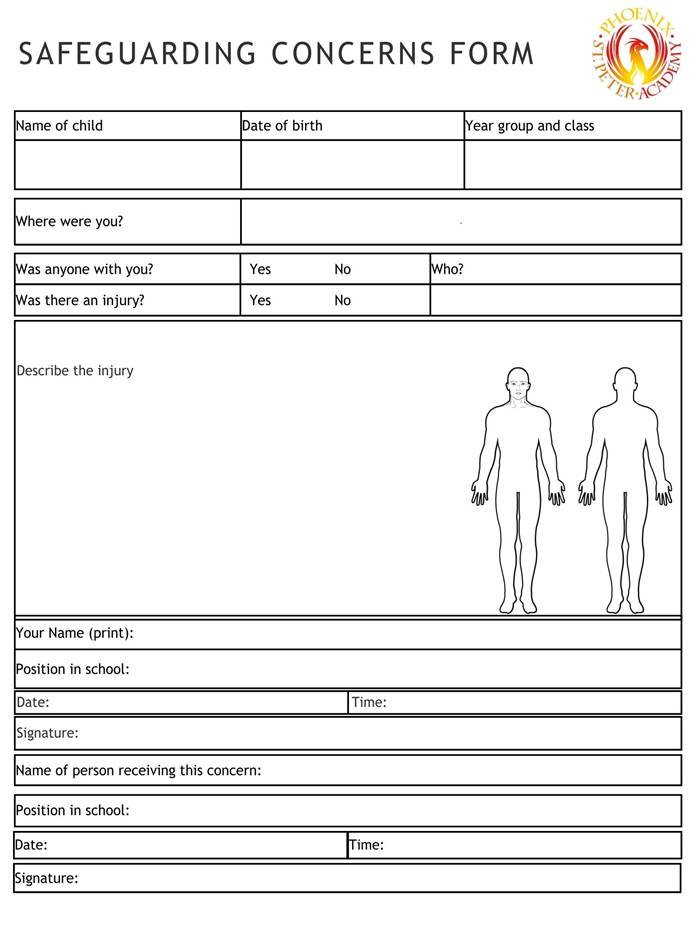
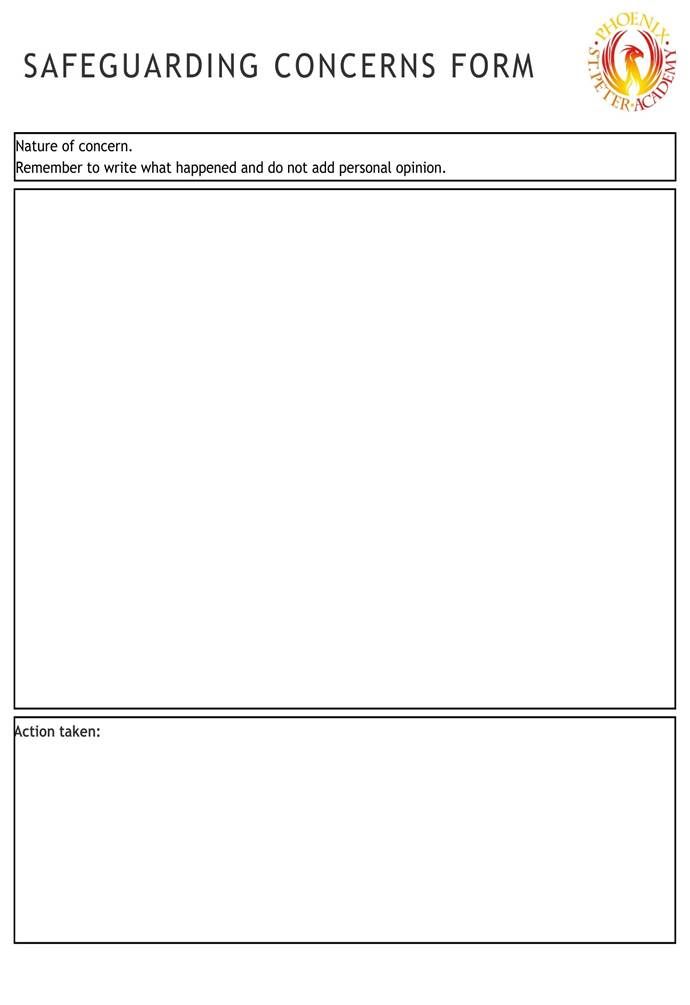
- Our academy has a clear procedure for recording any possible signs of abuse, using a standardised safeguarding concerns form on our online system (see Annex 3a) This will be explained to all staff and volunteers at induction.
A paper copy of our concern form is also available in the event of being unable to access the online system (see Annex 3b) Training and refresher sessions will reinforce effective techniques for recording concerns and will highlight the importance of accurate written records. There is additional recording standards guidance for Designated Safeguarding Leads on the REAch2 intranet, to support with effective record keeping, alongside audit tools to be used for self-assessment and benchmarking.
- All new safeguarding concerns records, and any other documentation of a safeguarding nature, are held in our online system, separately from any other pupil information, and are stored securely with access limited only to those who have received DSL training; namely, the Designated Safeguarding Lead, their Deputy, and the Headteacher. N.B. historic files, and those received from previous settings, may still exist in paper form.
- Pupil safeguarding files on our online system will contain any relevant information and documentation related to the pupil’s safety and welfare. Their contents will be logically organised and will allow for easy access to key events and information regarding the pupil. Should the pupil leave the academy, a copy of their safeguarding file will be transferred to the new school within 5 working days of the academy receiving explicit confirmation of the pupil having started at the new school via phone call or email, evidence of which will be retained on our online system. Confirmation of receipt of the file will be requested.
- Upon receiving a concern which indicates a suspicion of abuse, the Designated Safeguarding Lead or their Deputy will follow local inter-agency procedures, local information sharing protocols and statutory/legal expectations in deciding if a referral to an external agency for either community-based early help or targeted early help services delivered through Family Help, or statutory services, is warranted, or if internal support is required. It is important to note that whilst a referral would typically be made by the Designated Safeguarding Lead or their Deputy, any member of staff can make a referral, and appropriate information will be signposted to all staff to support them to do so.
- In the case of a referral being made due to risk of significant harm, the referrer will make a detailed written record of their actions, including dates and times of any conversations; the name and role of any professionals that were spoken to; the outcome of the referral; any actions that the referrer and the agency receiving the referral have agreed to.
- We recognise that information sharing is vital in identifying and tackling all forms of abuse, neglect, and exploitation, and in promoting children’s welfare, and that we have a clear power to share, hold and use information for these purposes. Professional judgement will be used to ensure that the information shared is focused and proportionate.
- Any disagreements between the referrer and a professional or agency will be appropriately voiced and discussed, with the referrer following appropriate escalation procedures if they remain dissatisfied and if the circumstances warrant, in line with Suffolk County Council Local Authority escalation procedures: https://www.suffolksp.org.uk/escalations-disputes Any disagreements or escalation will be recorded in writing by the referrer.
- The Designated Safeguarding Lead or their Deputy will be a proactive contributor to any strategy meeting, Child Protection conference/review, and core group, and will attend professionals’ meetings where requested, providing appropriate written and/or verbal education and welfare reports related to the pupil and their family as requested by agencies and in line with statutory information sharing guidance.
- Records of all safeguarding work will be made on the pupil’s safeguarding record. Any actions arising from a concern will be followed up and documented, and records of any communication with academy staff, external agencies and parents related to safeguarding will be documented on the pupil’s record within 24 hours. This will include a clear rationale for any decisions made. Generative AI will not be used by academy staff to create any pupil safeguarding records.
- Minutes and action plans of meetings will be retained on a pupil’s safeguarding record, with relevant actions being fed back to the appropriate members of the team, and any progress towards meeting required actions and outcomes also recorded.
- The Designated Safeguarding Lead will hold regular, no less than half termly, academy-based vulnerable pupil meetings, reviewing concerns and risks for any pupil who has been identified as vulnerable for safeguarding reasons, and ensuring that all necessary actions have been taken to promote their safety and wellbeing.
- We are aware of the duties placed on us by data protection laws to process personal information fairly and lawfully, to keep the information we hold safe and secure, and which allow us to share or withhold personal information. Any request for access to personal information related to safeguarding will be discussed with the Designated Safeguarding Lead and REAch2 Academy Trust’s Data Protection Officer. Please see the Data Retention policy for more information.
Community-based early help or targeted early help services delivered through Family Help:
- We recognise that early intervention when a child or family is starting to show signs of concern can be critical to ensure that the right help and support is sourced, preventing any further escalation of issues or a decline in the child’s safety and wellbeing.
- We recognise that partnerships with parents and carers is crucial in identifying the need for community-based early help or targeted early help services delivered through Family Help and for effective collaboration to improve the life chances for pupils. We work proactively with parents and carers to develop effective relationships between home and the academy, and to promote the benefits of intervention through support provided by the academy, or community-based early help or targeted early help services delivered through Family Help.
- Any child can benefit from community-based early help or targeted early help services delivered through Family Help but we are particularly alert to the needs of: SEND pupils, including those with physical and/or mental health needs and disabilities; young carers; pupils showing abusive, violent and/or harmful behaviours; pupils vulnerable to anti-social or criminal behaviour, gangs, organised crime and county lines, abuse, modern slavery, exploitation and radicalisation; pupils currently in or recently returned from care, or those being privately fostered; pupils misusing drugs or alcohol, or living in households where drugs or alcohol are being misused; pupils living in households with domestic violence or parental mental health concerns; pupils who are persistently absent, or frequently missing from education, home or care; pupils experiencing multiple suspensions and/or at risk of permanent exclusion; pupils at risk of honour or faith-based abuse.
- In a case where a concern about a pupil does not suggest a risk of significant harm but they remain in need of additional support, the Designated Safeguarding Lead or their Deputy will liaise with parents and, with their permission, follow local assessment guidelines for community-based early help or targeted early help services delivered through Family Help in order to source the most appropriate support.
- The Designated Safeguarding Lead or their Deputy will be a proactive instigator and/or contributor to any community-based early help or targeted early help services delivered through Family Help assessment and subsequent Team Around the Family meeting and, as above, will lead or attend professionals’ meetings where requested, providing appropriate written and/or verbal education and welfare reports related to the pupil and their family as requested by agencies.
Early Years:
- The Designated Safeguarding Lead and their Deputy, supported by the Early Years Lead, is aware of the safeguarding and welfare requirements from the statutory Early Years Foundation Stage framework for school-based early years providers (2025) All aspects of this policy, and associated policies, are fully applicable to all children on roll at our academy, regardless of their age, and to all staff and volunteers working with children in Early Years. The Designated Safeguarding Lead and their Deputy will read Section 3 of the Early Years Foundation Stage framework, and ensure that all leaders and Early Years staff have done the same.
- Use of mobile phones, cameras and other digital devices across the academy, including in Early Years, is outlined in our Code of Conduct.
- Staff and volunteers working with children, including those in Early Years, must not be under the influence of alcohol or any other substance that may affect their ability to work with children. Any adult taking medication that affects their ability to work with children must alert their line manager and seek medical advice, feedback from which will determine whether they can continue to work in their current role.
- Supervision is in place for all staff and volunteers working in Early Years, in line with Trust policy and best practice guidelines.
- The Designated Safeguarding Lead or their Deputy will work with the Early Years lead and Headteacher to regularly review practice in Early Years to ensure all statutory safeguarding and welfare requirements are being effectively managed and maintained.
Mental health:
- We recognise that mental health problems can be an indicator that a child has suffered or is at risk of suffering abuse or neglect and, equally, that having experienced abuse or neglect can significantly impact on a child’s mental health.
- In their role of seeing pupils day to day, our staff are well placed to observe their behaviours and to identify any concerns relating to a pupil’s mental health. These can include warning signs such as significant changes in behaviour, ongoing difficulty sleeping, withdrawing from social situations, not wanting to do things they usually like and physical signs of self-harm or neglecting themselves.
- Where a staff member has a concern about a pupil’s mental health that also reflects a safeguarding concern, this will be reported and responded to in line with the guidelines above.
- Staff have a key role to play in promoting good mental wellbeing and preventing the onset of mental illness, observing pupils and identifying early those who may be experiencing mental health problems or being at risk of developing one, ensuring early targeted support is provided, and liaison with/referral to specialist services where needed.
- The Designated Safeguarding Lead or their Deputy will work collaboratively with all relevant academy staff, i.e. SENCO, to contribute to any assessment of a pupil’s mental health, and will work in collaboration with other agencies, as required, to best meet the pupil’s needs and ensure their safety is considered as a primary focus.
Safer recruitment and the Single Central Record:
- We recognise that it is critical to ensure that our pupils are taught and supported by adults who are safe to do so, and that we are responsible for promoting a culture of safety within our academy environment by preventing unsafe adults from having access to it.
- In line with expected practice for safer recruitment, a minimum of one member of academy staff will undertake REAch2 training in ‘Safer Recruitment’ and will be present on any interview panel. All staff trained in safer recruitment will read and be familiar with Part 3 of Keeping Children Safe in Education (2026) and our academy’s Recruitment policy.
- Our academy will maintain a Single Central Record, detailing the required and relevant recruitment and vetting checks undertaken on all academy employees, volunteers, Governors, agency workers and third-party staff.
- The Headteacher will oversee the SCR and be accountable for its accuracy, checking it regularly and termly as a minimum, making a record of the check and any subsequent actions that arise.
- The designated governor will also check the adherence of our safer recruitment practice to our academy’s policy on a regular basis, in line with guidance provided by the REAch2 Governance team, also making a record of the check and any subsequent actions that arise. N.B. Governors are not expected to have access to personal information as part of this process.
- The Single Central Record will be supported by files containing appropriate supporting evidence for recruitment and vetting checks, held in line with Data Protection legislation.
- Please see our Recruitment policy for further detail regarding our adherence to safer recruitment principles for adults in our academy.
Teaching pupils to stay safe:
- We recognise the importance of teaching our pupils how to stay safe, and that opportunities to do so form an integral part of a broad and balanced curriculum.
- Learning opportunities will take the form of: PSHE lessons (in line with statutory requirements for the Relationships and Heath curriculum and accompanying DfE-recommended resources), Computing lessons, compulsory sex education, assemblies, circle time, class/form time, and visiting speakers, as well as smaller group and focussed intervention for pupils identified as particularly vulnerable, as needed. These will be inclusive and developed to be appropriate to the age and stage of pupils.
- The ethos of our academy and its curriculum will support the promotion of British Values, which is designed to build resilience to exploitation and radicalisation.
- We will model and teach safe behaviour and appropriate language (including how to stay safe online, and our use of filtering and monitoring) and will promote a culture of safety within our academy where everyone’s opinion is valued, and everyone has someone safe to whom they can turn.
- It is important that pupils feel that we take seriously any concerns that they have. We will actively collect feedback from our pupils and will regularly engage with Pupil Voice to seek the views of pupils on their experiences of feeling safe at our academy and within their communities.
- Please see separate policy and curriculum documentation for further information.
Use of premises for non-academy activities:
- In the event that our premises are used by organisations or individuals outside of our academy or Trust, it is essential that appropriate arrangements are in place to safeguard any children in attendance.
- We will seek assurance via the Trust letting agreement that appropriate safeguarding arrangements are in place, in line with DfE guidance, Keeping Children Safe in Out Of School Settings (2022) This will be a condition of the lease, and failure to comply would lead to termination of the agreement. All safeguarding information provided as part of the letting agreement will also be retained as a condition of the lease.
This policy applies to all adults involved with our academy, including paid staff, volunteers, including Governors, and visitors. It will be publicly available on our academy website and will be available in paper form upon request from the office. We will also make available and/or signpost all relevant legislation, statutory and non-statutory safeguarding and child protection guidance, and relevant academy policies to staff and volunteers for their reference.
At the beginning of the academic year all academy staff and volunteers will be issued with a copy of this policy, along with a copy of the academy’s:
- Code of Conduct
- Speak Up & Whistleblowing policy
- Behaviour policy,
- Anti-bullying policy
- Attendance policy and any additional information about responding to
- Children missing in education (CME)
- Allergy Safety policy
- Part 1 and Annex A of Keeping Children Safe in Education (2026).
They will be required to sign or otherwise confirm that they have received, read and understood these documents, and that they agree to abide by their contents. In addition, the Designated Safeguarding Lead will make accessible to all staff and volunteers who work directly with pupils all parts of Keeping Children Safe in Education (2026), and may direct them to read specific additional sections, dependent on their role.
Any new staff and volunteers who join our academy subsequent to the annual policy issue, and who work directly with pupils, will receive a specific safeguarding induction, where the documentation listed in the previous paragraph will be shared with them. They will also be required to sign or otherwise confirm that they have received, read and understood these documents, and that they agree to abide by their contents.
Temporary and short-term visitors to our academy will be made aware of our safeguarding procedures in line with our Visitor’s policy.
The implementation of this policy will be monitored by the Headteacher, who is responsible for maintaining oversight of all aspects of safeguarding, safety and pupil welfare at the academy, and also by Governors, led by the named academy Safeguarding Governor, to assess the effectiveness and impact of the academy’s processes and procedures in safeguarding pupils and promoting their welfare.
Additionally, the REAch2 safeguarding team will support REAch2 academies in their implementation of this policy. This will include, amongst other areas, scrutiny of safeguarding pupil files, of actions taken by the Designated Safeguarding Lead or their Deputy in response to safeguarding concerns, and of the quality and impact of staff safeguarding training. All members of the REAch2 safeguarding team have received Designated Safeguarding Lead training, and have been assessed to have the knowledge, skills and experience required to undertake this role.
Failure by any staff member or volunteer to implement this policy could be considered an act of misconduct and will be dealt with in line with relevant academy policies. Any concerns about compliance with this policy should be raised as a concern, in line with Annex 5 of this policy.
The Safeguarding and Child Protection Policy for Academies will be reviewed by the Head of Safeguarding and REAch2 Trustees annually as per statutory requirements, or sooner, in the case of a mid-year update to statutory guidance in Keeping Children Safe in Education. Any changes will be communicated to all relevant stakeholders.
ANNEX 1 – Types of abuse:
We are aware that all children are potentially vulnerable to abuse. It can take place at home, in the academy environment, in the wider community and online; be committed by adults and by other children, as well as from children to adults; be inflicted by people known to the child and by strangers; be a consequence of an act of deliberate harm and from failing to take necessary steps to prevent the child from coming to harm.
The four main types of abuse referred to in Keeping Children Safe in Education (2026), and a summary of their definitions, are:
- Physical: may involve hitting, shaking, throwing, poisoning, burning or scalding, drowning, suffocating or otherwise causing physical harm to a child; physical harm may also be caused when a parent or carer fabricates the symptoms of, or deliberately induces, illness in a child
- Emotional: the persistent emotional maltreatment of a child such as to cause severe and adverse effects on the child’s emotional development; may involve conveying that they are worthless or unloved, inadequate, or valued only insofar as they meet the needs of another person, not giving them opportunities to express their views, verbal abuse, such as persistent criticism, belittling, or name-calling, deliberately silencing them or ‘making fun’ of what they say or how they communicate, age or developmentally inappropriate expectations being imposed, interactions that are beyond their developmental capability as well as overprotection and limitation of exploration and learning, or preventing them from participating in normal social interaction, seeing or hearing the ill-treatment of another, serious bullying (including cyberbullying), causing them frequently to feel frightened or in danger, or exploitation or corruption
- Sexual: forcing or enticing a child or young person to take part in sexual activities, not necessarily involving a high level of violence, whether or not the child is aware of what is happening; may involve physical contact, including penetrative or non-penetrative acts, non-physical contact, grooming a child in preparation for abuse, and online sexual abuse
- Neglect: the persistent failure to meet a child’s basic physical and/or psychological needs, likely to result in the serious impairment of the child’s health or development; may involve failure to provide adequate food, clothing and shelter, failure to protect a child from physical and emotional harm or danger, failure to ensure adequate supervision, failure to ensure access to appropriate medical care or treatment, and failure to meet a child’s basic emotional needs
High-quality safeguarding training ensures all adults involved with our academy are familiar with the definitions of abuse, actions that constitute each of the four categories, and the signs of each type of abuse, including online, so that pupils who may be in need of help or protection are appropriately identified.
Safeguarding training will be regularly revisited throughout the academic year and will be integrated and aligned with our academy-wide plan for training and curriculum.
In addition to the above, we recognise that there are a number of specific safeguarding issues that require special consideration due to their complex nature. All staff and volunteers working directly with pupils will be issued with a copy of Part 1 and Annex A of Keeping Children Safe in Education (2026), containing the full outline of specific safeguarding issues, and their accompanying guidance documents and resources, with which they are expected to be familiar.
Children potentially at greater risk of harm:
- We recognise that children who have a Social Worker may have needed this due to abuse, neglect, and complex family circumstances, and that this potentially leaves them vulnerable to further harm. We also recognise that research shows that children who have a Social Worker, or have had a Social Worker, are at risk of lower educational outcomes than their peers.
- When we are alerted to a pupil in our academy having a Social Worker, the Designated Safeguarding Lead will inform other staff in the academy on a case-by-case basis in order to ensure the best interests of the pupil are being considered with regards to their safety, welfare and educational outcomes. This may include classroom staff, pastoral and support staff, and/or admin staff.
- The welfare and educational needs of our pupils with Social Workers, and those who have historically had a Social Worker, will be regularly reviewed by the Designated Safeguarding Lead to support teaching staff to provide additional academic support, as required, to promote their academic achievement. These interventions and additional support are agreed in CP or CiN meetings as actions, reviewed at weekly Vulnerable Pupil Meetings by our DSL team and could include; breakfast clubs, after school clubs, holiday clubs, help with uniform, soft starts, sessions with trained school counsellor or Thrive.
- We will also work closely with the Virtual School Head and engage with any information and guidance arising from their strategic oversight of attendance, attainment and progress of all children with a Social Worker and those children in kinship care.
Child-on-child abuse (including harassment and violence:)
- Some children may abuse their peers, which can manifest in many ways, including bullying, prejudice-based and discriminatory behaviour, physical abuse, physical harm or threats involving weapons, harmful sexual behaviour (including misogyny, sexual violence and sexual harassment), consensual and non-consensual sharing of self-generated intimate images and/or videos (including those generated using AI), causing someone to engage in sexual activity without consent, upskirting, and initiation/hazing.
- Child-on-child abuse of all types can take place inside and outside of our academy, and can be face to face or online.
- Harmful or abusive behaviour, including that which is of a sexualised nature, between pupils in our academy is not tolerated: we do not believe that it is to be expected, or to be accepted. Doing so can lead to a culture of unacceptable behaviour, misogyny, misandry and an unsafe environment for children that risks normalising abuse.
- We recognise that child on child abuse, particularly that which is sexual, is more likely to see boys as perpetrators and girls as victims; staff will be alert to this, but will ensure that all incidents of child-on-child abuse are taken equally seriously, regardless of the nature, identity or gender of the perpetrator and victim/s. It is recognised that child on child abuse is a safeguarding issue for both the victim and perpetrator and is preventable.
- With regards to child-on-child sexual abuse, we are aware of the outcomes of Ofsted’s 2021 rapid review and understand the importance of adopting an attitude of ‘it is happening here’ amongst our leaders and staff, regardless of whether there have been any specific reports from our pupils, in order to promote and embed a culture of constant awareness and vigilance.
It is also recognised that harmful sexual behaviour from a child or between children exists on a continuum, and behaviour that presents at a lower level of risk may escalate into sexual harassment or sexual violence, for which an approach of early intervention is required to reduce the risk of increased harm. Harmful sexual behaviour will always be considered within a child protection context.
- Part Five of Keeping Children Safe in Education (2026), Child on Child Sexual Violence and Sexual Harassment, will be made available for all staff, and they will receive training to recognise and respond to any incidents or reports of incidents.
- Any report of child on child abuse as outlined above will be swiftly investigated, recorded and responded to in line with the academy’s behaviour and anti-bullying policies, and, in the case of sexual abuse, in line with Part Five of Keeping Children Safe in Education (2026) The Brook Traffic Light Tool, in which a member of our DSL team has received training, will be used to identify, understand and respond to sexualised behaviour, and the language of the Tool, i.e. red/orange/green, will be reflected in the record keeping for each incident.
- Where appropriate, our response may include sanctions, separation or change of class, exclusion, referral to community-based early help or targeted early help services delivered through Family Help, Social Care and/or Police. Victim/s will be reassured, and both victim/s and perpetrator/s will receive appropriate support and guidance to safeguard and protect them and to ensure that their wellbeing is being promoted.
- We will use our curriculum to minimise the risk of child-on-child abuse taking place in our academy. This will help pupils understand, age-appropriately, what abuse is, and what the academy’s policy and expectations are of their behaviour and conduct to each other, reassuring them that any concerns they have will be taken seriously and encouraging them to tell a trusted adult if someone is behaving in a way that makes them feel uncomfortable or unsafe.
- We will complete a school-based risk assessment for child on child abuse, based on the Trust’s template, outlining the preventative steps we are taking to minimise the risk of child on child abuse taking place in our academy. The risk assessment will be reviewed regularly, and annually at a minimum.
Gangs, youth violence, and serious violent crime:
- We recognise that children are vulnerable, at any age, to being drawn into a gang environment and/or being targeted as perpetrators or victims of violence to others. Risk factors for such activity, including frequent absence from school and suspension or exclusion, will be considered in our application of our academy’s attendance and behaviour policies.
- We understand the positive impact that education, and spotting and responding to early warning signs of gang behaviour and violence, can have on affecting a positive outcome for a child and for building resilience to gang culture.
- We will be vigilant to any signs of our pupils being drawn into, or affected by, gangs, youth violence, and serious violent crime, including physical assault and carrying/threatening with weapons, and will work with local agencies to safeguard any perpetrators and/or victims both during the school day and outside of school.
Exploitation, including child criminal exploitation (CCE) and child sexual exploitation (CSE)
- It is understood that any child of any age is vulnerable to the risks of exploitation, including child criminal and child sexual exploitation, and that this risk is not limited to older children or adolescents. Children can be exploited by adults, but children can also be used to exploit other children.
Exploitation can take place online as well as face to face. It can be committed or facilitated by an organised network or gang, and a victim may identify as being part of this group. Movement of victims for the purposes of exploitation may constitute modern slavery.
- We recognise that both girls and boys can be exploited, both criminally and sexually, and that the experience of girls and boys, as well as the indicators of the risk they are facing, may differ.
- We are alert to the signs and indicators of a pupil becoming at risk of, or subject to, all forms of exploitation, including but not limited to: gang and violence-related activity; criminal and anti-social behaviour; going missing from education; underage and/or illegal sexual activity; risky behaviour, including behaviour online.
- In addition, we are alert to the signs and indicators of a pupil becoming at risk of, or subject to, exploitation for the purposes of county lines, a term used to describe exportation of illegal drugs by criminal networks between different locations in the UK. This includes but is not limited to: going missing from education; awareness, knowledge and use of alcohol and illegal substances.
- The Designated Safeguarding Lead is the academy’s named professional for issues related to exploitation, and will work with local agencies as required to safeguard pupils at risk of, or subject to, exploitation.
Children with family members in prison, and children in the court system
- We recognise the significant impact that a parent being in prison can have on a child’s outcomes, academically, emotionally and financially.
- We also recognise that children can be required to give evidence in court, either as victims or as witnesses, and that this is an experience likely to have a significant impact on them.
- Both of the above issues require bespoke support to ensure that the impact on the child’s wellbeing is minimised. We will seek appropriate professional support for any of our pupils who are in these circumstances and ensure that pastoral provision actively supports and monitors their progress.
- Seeing, hearing or experiencing domestic abuse, defined as controlling, coercive, threatening, violent and abusive behaviour between partners, ex-partners and family members, is a form of abuse. It poses a serious risk to children, and we recognise the serious and long-lasting impact it can have on their health, wellbeing, development and ability to learn. Children experiencing domestic abuse are now recognised in law as victims.
- We will train our staff to know and understand the types of domestic abuse, including physical, emotional, psychological, sexual and financial, its risks, regardless of whether the child has been physically injured or not, and to recognise any incident of domestic abuse witnessed or experienced by our pupils as a potential safeguarding issue. Where necessary, we will work with local agency professionals to respond to any reported incidents of domestic abuse.
- We recognise that homelessness, and the risk of homelessness, places a child’s welfare at significant risk, being at risk of poverty, exploitation, and becoming missing from education, amongst others.
- Timely intervention when a risk of homelessness is first identified is critical in preventing a situation from escalating and homelessness becoming a reality. We will work closely with families identified to be at risk, and with professional from relevant local agencies, to put appropriate measures into place to minimise the risk of homelessness.
Honour or faith-based abuse, including Female Genital Mutilation, Breast Ironing and Forced Marriage
- Honour or faith-based abuse refers to actions committed under a belief of protecting or defending the honour of a family or community. Regardless of the motivation or circumstances, we recognise that these acts are illegal and abusive and should be responded to as such.
- We are aware of, and will adhere to, the legal duty placed on teachers to notify the Police of any confirmed cases of Female Genital Mutilation carried out on a girl under the age of 18.
- We are alert to the signs and indicators of a pupil being at risk of honour or faith-based abuse and will work with local agencies as required to safeguard these pupils.
- Under the Counter Terrorism and Security Act (2015) academies are required to have ‘due regard to the need to prevent people from becoming terrorists or supporting terrorism’, otherwise known as the ‘Prevent duty’.
- We are alert to the signs and indicators of a pupil showing signs of radicalisation and of being at risk of being drawn into terrorism and will work with local agencies and the Channel programme as required to safeguard these pupils.
- The Designated Safeguarding Lead is our named professional for radicalisation, who has an appropriate knowledge of the risks associated with the local area and is aware of the local referral processes for raising a Prevent concern.
- We recognise that a broad and balanced curriculum will support pupils in developing resilience to extremist ideology; therefore, learning opportunities will promote pupils’ spiritual, moral, cultural, mental and physical development, prepare them for the opportunities, responsibilities and experiences of life, promote community cohesion and British values, and provide a safe space in which they can understand, discuss and learn to challenge sensitive topics.
Children who are absent from education
- We recognise that regular attendance at schools is a protective factor for all pupils, and that absence from school can be a warning sign to a wide range of safeguarding issues. This is particularly the case for pupils where periods of absence are prolonged, repeated, unexplained and/or persistent.
- Robust procedures are in place for monitoring and responding to pupil attendance, as outlined in our academy’s Attendance policy, including, where possible, recording more than one emergency contact for each pupil.
- The Designated Safeguarding Lead will work closely with staff responsible for monitoring attendance to undertake regular, joint scrutiny of academy attendance monitoring systems to support early identification of children where absence is a cause for concern.
- We will work with local agencies where additional support and intervention is required to support improvements to a child’s attendance, especially where periods of absence are prolonged and/or repeated.
- As required, in response to absence from school, academy staff may undertake a home visit to check the welfare of children and family members.
- Please see our academy’s Attendance policy for further information.
Children Missing Education
- We recognise that a child missing from education can be an indicator of abuse or neglect, including a risk of exploitation, honour or faith-based abuse and radicalisation, as outlined above.
- In line with Children Missing Education (2025) and Suffolk County Council procedures, we will work with local agencies and make timely referrals as required to ensure that circumstances where children are missing from education are swiftly and appropriately responded to.
- As above, and as required, in response to a child missing from education, academy staff may undertake a home visit to check the welfare of children and family members.
- We are alert to the possible risks posed to children if they are removed from school roll by their parents to be educated at home, especially if they are vulnerable, have a Social Worker or have SEND.
- We will work with parents and colleagues in our Local Authority and other relevant local agencies to ensure that due consideration has been given by all to what is in the best interests of the child, including in those circumstances where a child being removed from school roll to be educated at home is considered to be vulnerable, such as those children who have had prior safeguarding concerns or have an (EHCP).
- We will follow Local Authority procedures to notify of any child who is removed off school roll where a parent has indicated their decision to home educate. The Designated Safeguarding Lead will review all available information relating to the child, and ensure any safeguarding risks or concerns are communicated in full to the Local Authority.
- In addition, we will follow the Trust’s internal process for notifying the safeguarding team of a child removed from roll for the purposes of Elective Home Education, which will prompt an internal review of all relevant information.
- Technology has become a significant risk factor in safeguarding children, and we recognise our responsibility to protect our pupils from the risks of inappropriate content and contact from inappropriate people, as well as educating them about how to conduct themselves safely online.
- We have robust systems for both filtering and monitoring online activity using our academy devices, which is aligned with the DfE’s digital and technology standards (March 2026). The effectiveness of these systems will be reviewed on an annual basis by REAch2 Academy Trust’s IT and safeguarding teams.
- Staff are alert to the risks posed to pupils via their use of technology, typically referred to as ‘the four Cs’ (content: illegal, inappropriate or harmful content; contact: harmful online interaction with other users or generative AI applications; conduct: personal online behaviour that causes harm or increases the risk of harm; commerce: risks such as online gambling, advertising, phishing or financial scams) Staff receive appropriate training, including related to the academy’s filtering and monitoring systems, to support them in ensuring that any online risks are swiftly identified and reported.
- The Designated Safeguarding Lead takes lead responsibility for coordinating our response to any risks linked to online safety, and has a full awareness and oversight of reporting of concerns from our filtering and monitoring systems. Any risks identified for our pupils arising from reports from either system will be responded to in line with this policy, and, additionally, our behaviour policy, as required, and, where needed, escalated to local agencies for additional support in line with local thresholds.
- Our Computing curriculum, together with assemblies and other learning opportunities, will equip our pupils with the necessary knowledge and skills to take best advantage of the many opportunities that technology brings whilst acting safely and responsibly when using technology. It will take into account all of the guidance contained within Government documents to ensure that pupils are sufficiently protected and educated with regards to online safety.
- Please see the Academy’s Computing policies for further information, including agreements for the acceptable use of technology.
- Our academy does not allow mobile phones for pupils, meaning that pupils do not have access to their mobile phone throughout the school day including during lessons, the time between lessons, breaktimes and lunchtime. Please see the Academy’s Mobile Phone policy for further information.
Children with Special Education Needs and Disabilities (SEND)
- We recognise that pupils with SEND, including those with physical and mental health conditions, face additional challenges in keeping safe both online and offline, and that they may be subject to increased risk by virtue of their special need or disability.
Their physical and emotional needs, behaviour, mood, difficulties with communication, dependency on adults, cognitive understanding and proneness to isolation and to bullying all make them more vulnerable to abuse, and more vulnerable to abuse being overlooked or ascribed to a different cause.
- Staff working with pupils with SEND who are non-verbal or have limited communication will be particularly vigilant of potential signs of abuse, such as changes in mood and behaviour, suspicious marks, etc, and will promptly respond to these signs by following the safeguarding procedures detailed above.
- The Designated Safeguarding Lead will work closely with the SENCO to respond to any concerns of abuse for a child with SEND.
- We ensure that pupils with SEND receive appropriate pastoral provision, which, if necessary, may be additional to that provided to non-SEND pupils, and that they are taught in a way that is appropriate to their developmental stage about keeping safe and about sharing any worries or concerns with a trusted adult.
- Use of ‘reasonable force’, referring to the broad range of actions used by staff that involve a degree of physical contact to control or restrain children, is sanctioned in schools when it is being used to safeguard, in line with DfE’s guidance (2026) Please see the Academy’s Restrictive Interventions policy for more information.
- The additional vulnerabilities of pupils with SEND in the use of reasonable force is known and understood, and we are committed to reducing the risk posed to these pupils and limiting the need for use of reasonable force through our pastoral support and behaviour management systems.
- From time to time, pupils with SEND may need to receive additional support, part-time or full-time education from an Alternative Provision so that their needs can best be met. We remain responsible for the safeguarding of any child attending an Alternative Provision, and will take responsibility for assuring ourselves that the policies and procedures for keeping children safe at the Alternative Provision, including those relating to safeguarding and to safer recruitment, are sufficiently robust and are in line with statutory expectations, including in the case of any staffing changes.
We will also know where a child is based during school hours, and ensure that via regular review (no less than half termly) we are satisfied that our pupils are safe, regularly attending and their needs are being met.
- Please see the Academy’s SEND/Inclusion and behaviour policies for further information.
Looked After Children (LAC or CIC), and previously Looked After Children
- Children are most commonly taken into care following abuse or neglect; consequently, pupils who are Looked After or previously Looked After, including those who have been adopted from care or are subject to care orders, can be vulnerable as a result of their historical experiences, as well as with their current care arrangements.
- We will appoint a Designated Teacher, who will be a qualified teacher, to be responsible for monitoring the progress and wellbeing of all Looked After Children, and for liaising with both academy staff and professionals from external agencies, including the Virtual School Head, to ensure appropriate provision to meet their academic, developmental and welfare needs.
The Designated Teacher will also be responsible for monitoring the progress and wellbeing of all previously Looked After Children, ensuring that they have appropriate provision to meet their needs.
- The Designated Teacher will be responsible for ensuring that a Looked After Child’s personal education plan (PEP) is available, up to date and regularly reviewed to ensure it is having an impact on the pupil’s attainment and wellbeing.
- The Designated Teacher will also be responsible for establishing effective partnerships with the child’s carers.
Young Carers
- We are alert to the needs of young carers, and recognise that caring responsibilities can impact on a pupil’s attendance, attainment, behaviour and wellbeing.
- Staff will receive training to ensure they are aware of the warning signs of a child being a young carer, prioritising early identification to allow support from academy staff as well as additional support from external partners.
Children who are lesbian, gay or bisexual, and children who are gender questioning
- We recognise that identifying as lesbian, gay or bisexual is not in itself a risk factor for harm; however, lesbian, gay or bisexual children, or children perceived to be such, can be targets for bullying and abuse by their peers, the risks of which can be compounded if they do not have a trusted adult with whom to share these concerns.
- Staff will endeavour to provide a safe space for lesbian, gay or bisexual pupils to discuss concerns, and remove any additional barriers that may prevent this.
- In line with our Relationships, Health and Sex education policy, pupils will be taught at an age-appropriate point about LGB relationships.
- If a pupil presents to academy staff as questioning their gender, we will be professionally curious about their experiences and take time to understand their thoughts and feelings. We will seek to engage parents and treat their views with importance, unless to do so would constitute a safeguarding risk to the pupil. In this event, the matter will be passed to the Designated Safeguarding Lead to determine what action is needed to safeguard the pupil prior to any contact being made with parents.
- If a pupil or their parent presents a request for social transition, we will consider how best to fulfil our duty towards them, balanced with the needs of their peers. Actions towards social transition will not be agreed with a pupil without the knowledge of their parents, and all discussions, decisions and actions will be documented in line with this policy. It is acknowledged that social transition is an active intervention that may have significant effects, and that the academy’s decision relating to social transition may not align with the pupil’s wishes.
- Pupils, including those who are gender questioning and seeking to undertake any form of social transition related to their gender, are expected to use toilets, changing rooms and residential accommodation that align with their biological sex. We will provide separate toilets for boys and girls aged 8 and over, apart from where individual toilets are in a room that can be locked from the inside, intended for use by one pupil at a time.
- If a pupil does not want to use facilities designated for their biological sex, we will seek to provide an alternative without compromising the provision of single-sex facilities. These alternative arrangements will not compromise the safety, comfort, privacy or dignity of any pupil.
- Where we have implemented single-sex sports for safety reasons, pupils will not be allowed to participate in sports designated for the opposite sex.
- When discussing requests for social transition with pupils and parents, we will be sensitive in explaining what can and cannot be allowed, in line with legislation and statutory guidance, and support with finding supportive solutions that align with legal and statutory requirements.
- We are conscious of the increased risks to pupils who have socially transitioned early in childhood and may be ‘living in stealth’, with staff and peers unaware of their biological sex. The Designated Safeguarding Lead will oversee appropriate safeguarding and pastoral support for any pupils in this situation.
|
Designated Safeguarding Lead Name: |
Matthew Jordan |
|
|
Designated Safeguarding Lead role: |
Headteacher |
|
|
Designated Safeguarding Lead email: |
head@phoenixstpeteracademy.org
|
|
|
Deputy Safeguarding Lead names: |
|
|
|
Deputy Safeguarding Lead roles: |
|
|
|
Deputy Safeguarding Lead emails: |
||
|
Deputy Director of Education name: |
Gemma Crates |
|
|
Deputy Director of Education email: |
||
|
Chair of Governor name: |
Fiona Usher |
|
|
Chair of Governors email: |
||
|
Safeguarding Governor name: |
Julie Vingoe |
|
|
Safeguarding Governor email: |
||
|
Suffolk Social Care contact details |
Customer First: Call 0808 800 4005 Opening hours are Monday to Thursday 8am to 5:20pm, Fridays 8am to 4:20pm (excluding bank holidays). |
|
|
Suffolk Out of hours Social Care |
Customer First: Call 0808 800 4005 |
|
|
Suffolk LADO name |
Suffolk County Council LADO Team:
|
|
|
Suffolk LADO contact details |
Email: LADO@suffolk.gov.uk Website: https://www.suffolksp.org.uk/local-authority-designated-officers-lado#gsc.tab=0 |
|
|
Suffolk Prevent Agency name |
Suffolk County Council Prevent Radicalisation Team and Agency ACT: Action Counters Terrorism. |
|
|
Suffolk Prevent Agency contact details |
Prevent@norfolk.pnn.police.uk (consultation). You can also report suspicious activity by contacting the Police in confidence on 0800 789 321. |
|
ANNEX 3a – Recording safeguarding concerns (online)
At Phoenix St. Peter Primary we use CPOMS to record and report all safeguarding concerns. This is our overview of the use of CPOMS:
What does CPOMS stand for?
• Child Protection Online Monitoring System.
What is CPOMS?
• On-line safeguarding programme for monitoring safeguarding, well-being and pastoral
issues of all children in our school.
• Helps children and young people to be fully supported by our staff team and where
appropriate external agencies.
• It helps us to quickly identify concerns and to record any actions taken.
• CPOMS is a resource / system which is used nationally by all our Academy Trust Schools.
Why use CPOMS system here at Gunton Primary Academy?
The system:
• CPOMS is a secure site that creates a profile of individual children and also of families /
groups / cohorts of children, covering a wide range and type of concern.
• It is a paperless system that ensures confidentiality and security of information.
• It is accessible by all staff.
• It can be accessed from all locations with a user login.
• It is user friendly and accurately captures key information, removing human error such as
missing detail or sections out.
• Once submitted the response is significantly faster – it will immediately alert the duty DSL /
DDSL’s for immediate action.
• The concern cannot be left without action and closure – so it is clear who is managing the
different concerns and who is responsible for the actions required to support the child (ren)
and family.
• The DSL will check that all concerns are closed by the end of each day.
Data Proofing:
• CPOMS is a central record that generates daily, weekly and monthly reports by the
categories of concern. This can be filtered by class, year group, key stage, gender, SEN etc.
which informs the DSLs and SLT of patterns and trends, enabling us to intervene quickly
and work with children, staff and families.
• CPOMS has the capacity to create individual pupil profile chronologies.
• Chronologies can be filtered to combine events between siblings, so that we can quickly
create a family profile.
• This data analysis is invaluable in the early identification of concerns and spikes in concerns
for individual children and / or families or groups of children.
• Chronologies prove vital in gathering information over time and are crucial for professional
meetings or in support of a MARF.
• This data analysis and trends allow us to identify specific concerns over time which enables
us to get an accurate overview of the risks and needs in our community, improving our
ability to work in partnership with other local professionals I.e. PCSO. At the same time, any
trends in risks or needs will inform our Safeguarding training, plus our PSHE, Assembly and
Personal Development focuses for the children.
Annex 3b – Recording safeguarding concerns form (paper) – these are ‘pink’ forms to be found in staff room, PPA room and copies to be taken on school trips.
|
|
ANNEX 4 – Local agency procedures
ANNEX 5a – Safeguarding concerns and allegations
Keeping Children Safe in Education (2026) defines an allegation of abuse against an adult in a school or academy as any case in which it is alleged that an adult (including employed staff, supply staff, trainee teachers, volunteers and contractors) has:
- behaved in a way that has harmed a child, or may have harmed a child
- possibly committed a criminal offence against or related to a child
- behaved towards a child or children in a way that indicates he or she would pose a risk of harm to children
- behaved or may have behaved in a way that indicates they may not be suitable to work with children
This policy is designed to work in full accordance with the statutory guidelines set out within Part Four, Keeping Children Safe in Education (2026), as well as with local guidelines issued by Suffolk County Council Local Authority, both of which describe the expected process for managing safeguarding concerns and allegations in detail.
Headteachers, members of the Senior Leadership Team, Deputy Directors of Education and the Chair of Governors will familiarise themselves with both of these documents; however, key principles are summarised below.
- All staff and volunteers (including Governors) will be issued with our academy’s Code of Conduct, and with this policy, which are intended not only to support them in adopting safe practice in their work with children but also to advise on how to report any concerns about the conduct of a colleague or any practice in our academy which they feel is unsafe for our pupils.
- Staff will also be issued with a copy of our whistleblowing policy; this refers more to concerns of a non-safeguarding nature, but its principles of everyone having a responsibility to report a concern support those of this policy.
- Additionally, all staff and volunteers are signposted to the Ofsted Whistleblower Helpline, 0300 123 3155, and to the NSPCC Whistleblowing Advice helpline, 0800 028 0285.
- Visitors to the academy, including contractor and agency staff, will be provided with relevant information in line with the Visitors’ policy.
- We recognise that, at times, a concern about an adult’s conduct towards pupils may not be serious enough to be considered as an allegation, but that it nonetheless indicates a concern.
- For the purposes of this policy, a low-level concern is defined as a concern relating to behaviour that is inconsistent with our academy’s Code of Conduct but does not meet the threshold for an allegation of abuse, as outlined in Keeping Children Safe in Education (2026) and copied above.
- We understand the importance of creating a culture of openness and transparency, where any concern, no matter how small, is shared and dealt with appropriately. Such a culture supports us to identify and address any emerging or inappropriate behaviour at an early stage, minimising the risk of abuse and reinforcing clear professional boundaries.
- Adults working in school are expected to act as role models for pupils, parents, fellow colleagues and the school community. Any low-level concern arising from conduct outside of work, if deemed relevant due to risking the reputation of the academy, will be considered in line with this policy.
- Our staff will be trained to recognise appropriate and potentially inappropriate adult conduct, in line with our academy’s Code of Conduct, and they will be required to report any low level concern about the conduct of any adult working in our academy to the Headteacher. Exceptionally, in the Headteacher’s absence, the report may be made to the next senior member of staff who is acting as the Headteacher in their place.
- In the event that the concern is about the Headteacher, or the person acting as the Headteacher in the Headteacher’s absence, this should be reported to the Deputy Director of Education and Chair of Governors. Please see Annex 2 for the contact details for these individuals.
- If the low-level concern is concerning a member of the central team, it must be made directly to the Headteacher, who will inform the REAch2 Head of Safeguarding and work collectively with them to agree a course of action. Where the low-level concern relates to the Head of Safeguarding, it must be reported by the Headteacher to the National Director of Education.
- Staff will be encouraged to recognise any occasion where their own behaviour may be seen as a low level concern by others, and to make a self-report accordingly.
- If the report of a low-level concern is made verbally, it must be followed up in writing by the person reporting the concern using the adult concern pro forma below, as directed by the person to whom the concern has been reported.
- Upon receipt of a low-level concern, the Headteacher will take timely and proportionate action to discuss and address this with the person concerned in order to correct the issue at an early stage. The Trust safeguarding and People teams are available to support with this process if required. In the event of the concern relating to a member of contracted or agency staff, the Headteacher will work together with the organisation or agency to manage the process.
- If at any stage the Headteacher assesses that there is a risk of harm to pupils, either from an individual low-level concern, or from a series of low level concerns that indicates a pattern of behaviour that poses a risk of harm to a child, they will follow the process outlined below for reporting a safeguarding concern. This should be discussed with the Trust safeguarding and People teams.
- The Headteacher will keep a written record of all low-level concerns using the low level concern chronology pro forma below, detailing the nature of the concern and the action taken to address it. The record is clearly demarcated as a low-level concern, in order to avoid confusion or misunderstanding. Records of low-level concerns will not be referred to in employer references unless they form part of a substantiated safeguarding allegation.
- The Headteacher will regularly review all low level concerns received, using the low-level concern monitoring log pro forma below, in order to identify any emerging patterns of concerning behaviour related to individual(s) or to identify any weaknesses in academy culture where revision of policy or additional training may be a requirement. Any emerging pattern of concerning behaviour should be discussed with the Trust safeguarding and People teams.
Reporting a safeguarding concern
- If any adult working in our academy has a safeguarding concern about another adult or has concerns about another adult posing a risk to children, they should report these concerns. This duty is applied regardless of whether the person about whom there are concerns is an academy staff member, volunteer (including Governors), central staff member or external visitor, i.e. supply teacher. Concerns arising from conduct outside of work that meet the threshold to be considered as a safeguarding concern will be responded to in line with this policy.
- All reports of safeguarding concern about academy staff, an academy volunteer (including Governors) or external visitor must be made directly to the Headteacher. Exceptionally, in the Headteacher’s absence, the report may be made to the next senior member of staff who is acting as the Headteacher in their place.
- Where the safeguarding concern relates to the Headteacher, or to the person acting as the Headteacher in the Headteacher’s absence, it must be reported to the Deputy Director of Education and to the Chair of Governors.
- All reports of a safeguarding concern about a member of the central team must be made directly to the Headteacher, who will inform the REAch2 Head of Safeguarding, and work collectively with them to agree a course of action. Where the safeguarding concern relates to the Head of Safeguarding, the concern must be reported by the Headteacher to the National Director of Education.
- If the report of a safeguarding concern is made verbally, it must be followed up in writing by the person reporting the concern using the adult concern pro forma below, as directed by the person to whom the concern has been reported.
- On occasion, we may receive safeguarding concerns from individuals outside of our academy. In this instance, the person to whom the report is made must share the concern in line with processes outlined above. Safeguarding concerns received from external sources will be responded to in the same way as a concern being received from inside the academy.
- The Headteacher, members of SLT (in case of the Headteacher’s absence), Deputy Director of Education and Chair of Governors (in case of an allegation being against the Headteacher), REAch2 Head of Safeguarding and REAch2 National Director of Education (in case of an allegation being against a REAch2 central team member) will know the name and contact details for the Local Authority Designated Officer (LADO), with whom contact will be made as soon as possible upon receipt of an allegation against a member of staff or volunteer at our academy, and always within one working day.
- If further investigation or action is required, the person referring the concern to the LADO will then be nominated as the ‘case manager’. If the specific circumstances warrant, or if the case is unusually complex, the case manager role may be taken on by a professional independent to our academy, i.e. a senior colleague from within REAch2 Academy Trust.
- In the event of a safeguarding concern being raised about an adult not directly employed by the academy, i.e. a supply teacher, the same process will be followed to contact the LADO. Additionally, the Headteacher will liaise with the individual’s employer subsequent to the referral to ensure full cooperation and involvement with any process required to investigate and resolve the concern that has been raised.
- In the event of any referral to LADO being made, the referrer will immediately inform their REAch2 safeguarding lead, who will support with the subsequent process. If the referral relates to the Headteacher, the REAch2 Head of Safeguarding will be immediately informed.
- When directed to by the LADO, the case manager will inform the accused person of the allegation and will give as much information as possible about its nature. We have a duty of care to our employee/volunteer and will provide effective support to anyone in this situation, as well as ensuring that the matter is dealt with quickly, fairly and consistently.
- As directed by the LADO, the case manager will also tell the parents of the child or children involved of the allegation (if they are not already aware) and will keep them informed as to the progress and outcome of the process.
- As directed by the LADO, and in consultation with the REAch2 People and safeguarding teams, we will assess the possible risk posed by the accused individual if they are to continue in their role. This assessment may result in suspension if the risk is considered sufficient and if all suitable alternative options have been considered.
- If a member of staff or volunteer who is judged to be unsuitable to work with children resigns or their services cease to be used, we will assess the situation against the published DBS criteria, and, in the case of teachers, Teaching Regulation Agency criteria, and will follow up with a referral to either or both regulatory bodies where necessary. A compromise or settlement agreement will not be used in cases where this would prevent a referral to DBS being made, as to do so could result in a criminal offence and is non-compliant with our legal duty.
- One-off and/or repeated allegations of malicious, false, unfounded or unsubstantiated conduct will not be referred to in employer references.
- Where an allegation has been found to be malicious, we will consider whether to take further action, either via the Behaviour policy (in the case of a pupil) or via discussion with the Police (in the case of a parent or other adult).
- Full details of each stage of the allegations process will be recorded in writing by the Case Manager. The safeguarding concern chronology pro forma below can be used for this purpose, as required.
- Where an allegation has been found to be malicious, i.e. the allegation is disproved and there has been a deliberate attempt to deceive, all details and records will be removed from the person’s personnel file.
- For allegations found to be substantiated, false, unfounded or unsubstantiated, details of the allegation and the investigation process, including the outcome, will be kept as per the Disciplinary policy, but usually separately and confidentially to the person’s personnel file, with a copy also provided to the person concerned upon request.
- Records will be retained for a period of 10 years from the date of the allegation, or until the accused has reached pension age, whichever is longer.
- As soon as is practicable, all involved parties (including academy leaders, members of the Trust People and/or safeguarding teams, and LGB members, as appropriate) will convene as needed to review the facts of the case, reflect on any lessons to be learned, and implement any needed changes to policy and/or procedure. Where applicable, this will include reference to any feedback given by the LADO.
ANNEX 5b – Adult Concern Form
Our academy promotes a culture of openness and transparency, where any concern, no matter how small, is shared immediately and dealt with appropriately.
- A low level concern is defined as a concern relating to behaviour that is inconsistent with our code of conduct, but not something that is so serious to be considered as a safeguarding concern.
- A safeguarding concern is one that has caused harm to a child, or could cause harm to a child, or indicates that the person isn’t suitable to be working with children. Please see our safeguarding and child protection policy and our code of conduct for more information.
Use this form to record any concern you have about an adult working in our academy.
Give clear, precise and accurate details, to the best of your ability. Continue on additional sheets if needed. Please give/send the completed form to the Headteacher, or, if the concern is about the Headteacher, to the Deputy Director of Education and Chair of Governors (contact details are in safeguarding and child protection policy)
|
Name of person to whom concern relates: |
|
Role of person to whom concern relates: |
|
|
Date when concern arose: |
|
Time when concern arose: |
|
|
Details of concern – include names of staff, children, witnesses, and date(s) / time(s) |
|||
|
|
|||
|
Name of person recording concern: |
|
Role of person recording concern: |
|
|
Date when concern form was shared: |
|
Signature: |
|
|
Name of person receiving concern: |
|
Role of person receiving concern: |
|
|
Signature: |
|
Low level concern or safeguarding concern? |
|
ANNEX 5c – Low Level Concern Forms
- Low Level Concern Chronology Form
|
Name of person to whom concern relates: |
(full name) |
Role of person to whom concern relates: |
1:1 TA |
||
|
Dates of previous low level concerns: |
|
||||
|
Date & time |
Summary of what has happened, including the actions that have been taken |
Records |
Recorded by |
||
|
6th September 2021 at 10.55am |
(full name of person reporting) spoke to me at break time to say that (full name of person to whom concern relates) had taken a photo of (full name of child) on his own mobile phone. (first name of child) had done a good piece of work, and asked (first name of person to whom concern relates) to take a picture of her holding her work to share with her dad. I asked (first name of person reporting) to complete an adult concern form, and have emailed (first name of person to whom concern relates) and his line manager to meet with me at 3.30 to investigate this further. |
Adult concern form completed by (full name) Copy of email to (full name) and line manager |
(full name) Headteacher |
||
|
|
|
|
|
||
|
|
|
|
|
||
|
|
|
|
|
||
|
|
|
|
|
||
|
|
|
|
|
||
|
|
|
|
|
||
- Low Level Concern Monitoring Log
|
|
||||
ANNEX 5d – Safeguarding Concern Chronology
Use this form to document the actions you have taken to respond to a safeguarding concern. An example entry has been completed to guide you. This document, and any accompanying evidence or documentation, must be stored securely on the staff member’s personnel file, either password protected or in a sealed envelope marked ‘safeguarding concern’.
|
Name of person to whom concern relates: |
(full name) |
Role of person to whom concern relates: |
Class teacher |
|
Date & time |
Summary of incident |
Actions taken |
Actions required |
Records |
Recorded by |
|
06/09/21 12.55pm |
(full name of person reporting concern) spoke to me at lunch time to say that (full name of person to whom concern relates) had grabbed a child’s arm (full name of child) to stop them from leaving the classroom. (first name of person reporting concern) said that he went to (first name of child) afterwards and that there were marks on their arm. I asked (first name of person reporting concern) to complete an adult concern form. |
Rang LADO (full name) at 1.15pm. LADO advised that further fact finding is needed, and requested that I interview (first name of child), ask what happened, and check for marks/bruises on the arm. |
|
Adult concern form completed by (full name) |
(full name) Headteacher |
|
|
|
|
|
|
|
|
|
|
|
|
|
|
|
|
|
|
|
|
|
Annex 6 – updates to Keeping Children Safe in Education 2026
The final version of Keeping Children Safe in Education 2026 was published on 1st September 2026, with further revisions from the draft that was shared in July 2026. This annex is written to be held alongside the main policy and incorporates the most recent changes.
An updated summary of the definition of abuse (emphasis indicates change in terminology from main policy):
- Sexual: involves forcing, causing or inciting a child to take part in sexual activities, not necessarily involving violence, whether or not the child is aware of what is happening. The activities may involve physical contact, such as acts of penetration, whether that is with part of a person’s body or an object (e.g. rape or assault by penetration), and non-penetrative acts such as masturbation, kissing, rubbing, and touching over clothing. Sexual abuse may also include noncontact activities, such as involving children in looking at, or in the production of, sexual images, watching sexual activities, encouraging children to behave in sexually inappropriate ways, or grooming a child in preparation for abuse. Sexual abuse can take place online as well as offline, and technology can be used to facilitate offline abuse. Sexual abuse is not solely perpetrated by adult males. Women can also commit acts of sexual abuse, as can other children. Children can be sexually abused within the family, an institution or a community setting, and are more likely to know their abuser than not. The sexual abuse of children by other children is a specific safeguarding issue in education and all staff should be aware of it and of their school or college’s policy and procedures for dealing with it. There are specific offences for children under 13, who can never provide valid consent to sexual activity and there are specific offences which make clear that sexual activity with a child under 16 is an offence, regardless of whether they agreed to that activity.
Child on child abuse (including harassment and violence):
- We recognise that any prejudice-based harm, including prejudice based on race, faith or other characteristics, can affect a child’s physical and mental health and wellbeing, their sense of safety, and impact on their ability to ask for help from an adult. Staff will be alert to any reports of prejudice-based harm, and any incidents will be responded to in line with the safeguarding and behaviour policies.
- Our school promotes an inclusive, anti-discriminatory culture. Any form of discriminatory behaviour will not be tolerated.
- In line with our safer recruitment policy, any volunteers working in Early Years will not be allowed to commence their role until full safer recruitment checks, including enhanced DBS certificate with barred list information, have been completed and verified.